What weatherization services actually include
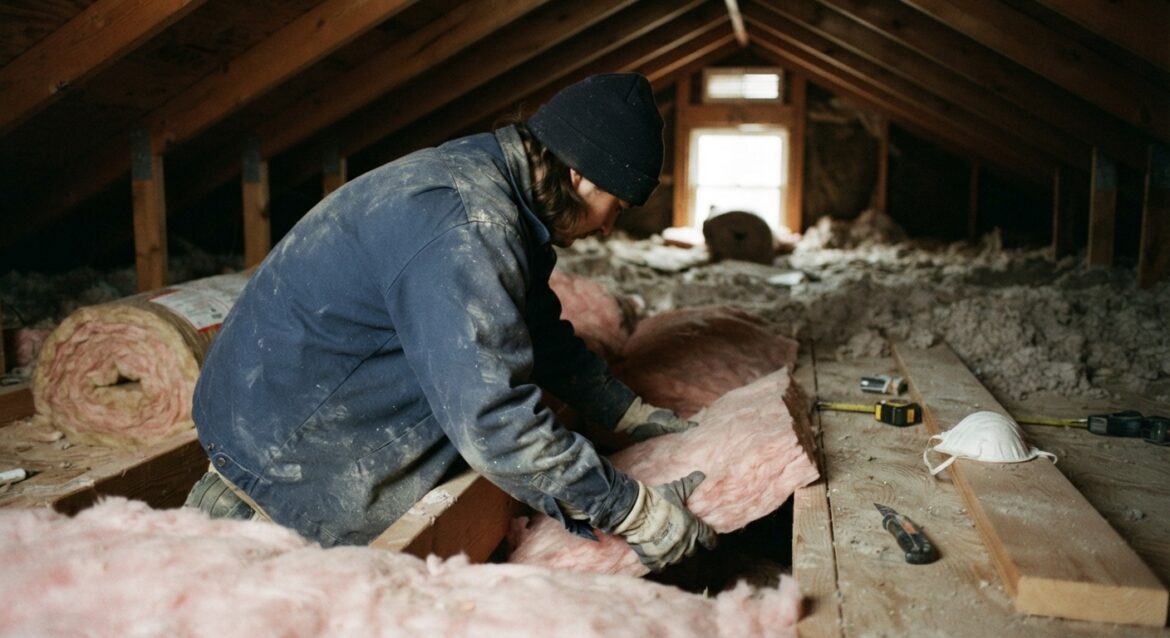
The Weatherization Assistance Program, usually shortened to WAP, sends trained crews into eligible homes to make them more energy-efficient from top to bottom. This isn’t a one-size-fits-all patch job. A crew might air-seal gaps around windows and doors, add insulation to attics, walls, or crawl spaces, repair or replace an inefficient furnace, or fix ductwork that’s leaking heated or cooled air into unfinished spaces. Some programs also address health and safety issues that block weatherization work from happening safely, like faulty wiring or a malfunctioning water heater that’s venting improperly.
The exact mix of services depends on what your home actually needs, which is determined by an energy audit (more on that below) and on what your state’s program covers. Some states also include minor repairs to things like broken windows or doors that are letting in outside air, since sealing a home tightly only helps if the building envelope is in decent shape to begin with.
The goal isn’t cosmetic. It’s to reduce how much energy a home wastes, which in turn lowers monthly utility bills and makes the home more comfortable and, in many cases, safer to live in year-round.
How WAP differs from LIHEAP bill assistance
People often hear about WAP and LIHEAP in the same breath, and it’s easy to mix them up because both are federally funded and both aim to ease the burden of home energy costs for lower-income households. But they work in very different ways.
LIHEAP, the Low Income Home Energy Assistance Program, helps pay for energy costs directly. That might mean a one-time payment toward your heating or cooling bill, help catching up on a past-due utility account, or in some cases a small amount toward emergency furnace repair. It addresses the cost of energy you’re already using.
WAP, on the other hand, addresses how much energy your home needs in the first place. Instead of paying a bill, it pays for physical upgrades that reduce your home’s energy use going forward. Think of LIHEAP as help with today’s bill and WAP as an investment that can lower many future bills.
Because they tackle different problems, many households qualify for and benefit from both programs, sometimes in the same year. Your state or local agency can often tell you if you’re eligible for one, the other, or both, since they’re frequently administered by the same local offices even though the funding rules are separate.
Income eligibility guidelines
WAP eligibility is based on household income relative to guidelines that update periodically and vary somewhat by state. In general, a household qualifies if income falls at or below a set percentage of the federal poverty level, or alternatively if someone in the household already receives certain other public benefits, such as Supplemental Security Income or Temporary Assistance for Needy Families. Some states also automatically qualify households that receive SNAP.
Because the exact income thresholds and qualifying benefit lists differ from state to state, and because they’re adjusted periodically, the most reliable way to know where you stand is to check with your state’s weatherization program office or your local community action agency. They can tell you the current income limits for your household size and confirm whether any benefits you already receive make you automatically eligible.
Renters can apply too, not just homeowners, although landlord participation and permission are usually required since the work happens on the physical structure. If you rent, be prepared for the agency to reach out to your landlord as part of the process.
What a home energy audit involves
Before any work begins, a trained energy auditor typically visits the home to assess where energy is being wasted and where upgrades would have the most impact. This visit isn’t just a quick walkthrough. Auditors often use tools like blower door tests, which measure how much air is leaking out of the home, and infrared cameras, which can reveal cold spots in walls or ceilings where insulation is missing or thin.
The auditor will usually check the condition of the heating and cooling system, look at insulation levels in the attic and walls, inspect windows and doors for drafts, and look for any health or safety concerns, such as combustion appliances that aren’t venting correctly. They may also ask about your household’s energy habits and any specific comfort problems you’ve noticed, like a room that’s always cold or a bill that seems unusually high.
From this audit, the agency builds a prioritized work plan, often called an energy audit report, that lists exactly which measures make the most sense for your home given its size, condition, and how the funding available can be used. Not every possible upgrade will make the list. Programs generally focus on the measures that will save the most energy per dollar spent, so the plan is tailored rather than a blanket list of everything a home could theoretically use.
How to apply through your state agency
WAP is federally funded but administered at the state level, and then often delivered locally through community action agencies or similar nonprofit and government partners. That means the exact application process, forms, and required documents can vary depending on where you live.
The general steps tend to look similar across states, though. You’ll typically start by contacting your state’s weatherization office or your local community action agency to request an application. You’ll need to provide proof of income for everyone in the household, which might include recent pay stubs, benefit award letters, or a prior year’s tax return. If you already receive a benefit like SNAP or SSI, having that documentation on hand can sometimes simplify the income verification step.
You’ll also need to confirm you own or rent the home that needs work, and if you rent, your landlord will likely need to sign an agreement allowing the improvements. Once your application and documents are submitted, the agency reviews them to confirm eligibility before scheduling the energy audit.
If you’re not sure where to start, your state’s energy office website or a call to your local community action agency is usually the fastest way to find the right application and contact person. Some states also list eligibility screening tools online that can give you a quick sense of whether you likely qualify before you gather paperwork.
Typical timeline from application to completed work
Weatherization isn’t usually a same-week service, and it’s worth setting expectations accordingly. After you submit your application, there’s a review period where the agency verifies your income and eligibility. This can take anywhere from a few weeks to a couple of months, depending on how busy the local agency is and how much documentation is needed.
Once you’re approved, the energy audit is scheduled. That visit itself usually takes a few hours. After the audit, the agency prepares a work plan, which then goes into a queue for actual installation. Because WAP is funded through limited annual allocations and many local agencies serve large areas with small crews, waitlists are common, especially in colder climates during peak heating season or right before a program’s funding cycle resets.
All told, it’s not unusual for the process, from initial application to the work crew finishing the last job, to take several months. Households with urgent safety issues, like a broken furnace in winter, may be prioritized ahead of others, but even then, some waiting is typical. If your situation feels urgent, it’s worth mentioning that directly when you apply, and asking whether LIHEAP’s emergency assistance might be able to help bridge the gap while you wait for weatherization work to be scheduled.
Patience during this process pays off. The upgrades installed through WAP are meant to last for years, which means the wait is generally a one-time cost in exchange for a home that stays more comfortable and costs less to heat and cool for a long time afterward.