

How food banks, pantries, and soup kitchens differ from SNAP
SNAP, sometimes still called food stamps, is a federal benefit that puts money on a card each month for you to spend at grocery stores. It’s meant to help cover a portion of your food costs, but for many households the benefit runs short before the month is over, especially when rent, medicine, or a utility bill takes a bigger bite than usual. That’s where food pantries, food banks, and soup kitchens come in. They’re not part of SNAP and they don’t replace it. They’re separate, mostly charitable operations that exist specifically to fill gaps like this.
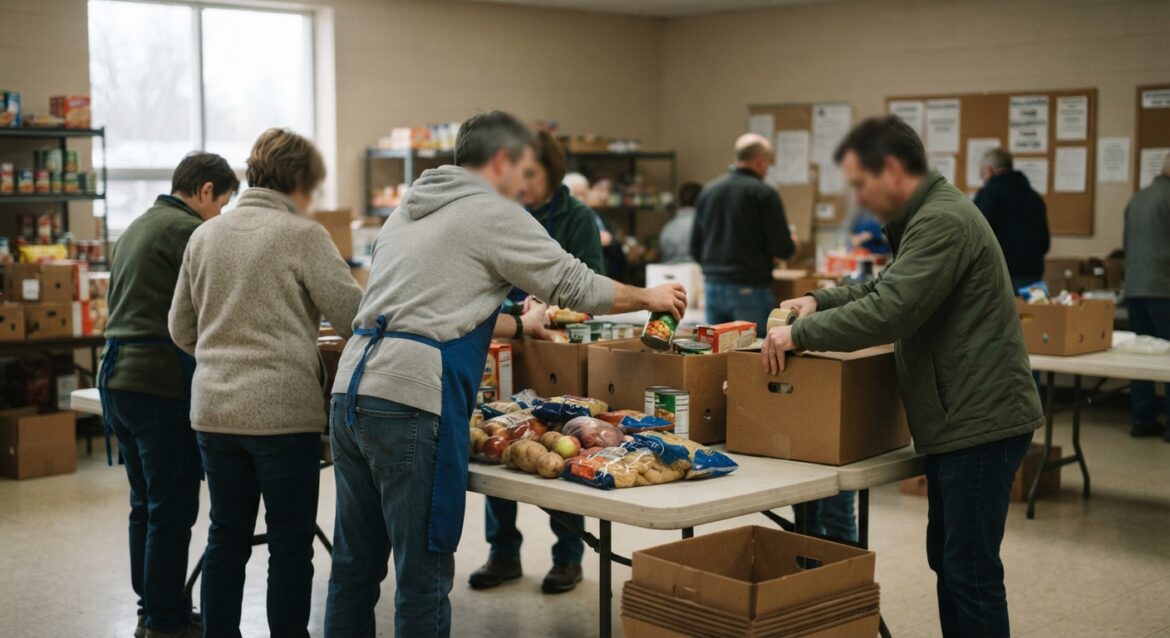
A food bank is usually a large warehouse-style operation that collects and stores food in bulk, then distributes it to smaller organizations. You typically don’t visit a food bank directly. Instead, you go to a food pantry, which is the local, walk-in location, often run by a church, community center, school, or nonprofit, where you can pick up groceries. A soup kitchen is different again: it serves prepared, ready-to-eat meals on site rather than groceries to take home. Some organizations run more than one of these services under one roof, so the lines can blur, but the basic idea holds: food banks supply, pantries distribute groceries, and soup kitchens serve meals.
None of these are entitlement programs with guaranteed benefit amounts. What’s available depends on donations, local funding, and volunteer hours, which means offerings vary a lot from one town to the next. That’s normal, and it doesn’t mean you’re doing something wrong by needing more than one form of help at a time. Pantries exist precisely because SNAP, wages, and other income sources often don’t stretch far enough on their own.
Finding local pantries through 211, Feeding America, or local churches
The fastest way to find help near you is usually to call 211. This is a free, confidential referral line covering most of the country, staffed by people who keep updated lists of food pantries, meal sites, and other local assistance in your area. You can also visit 211.org and search by zip code if you’d rather not call. They can often tell you a pantry’s hours, what documents (if any) it asks for, and whether it’s currently open to new visitors.
Feeding America, the largest network of food banks in the country, has an online locator tool where you enter your zip code and get a list of partner pantries nearby, along with hours and contact information. This is a good second stop if 211 doesn’t have full coverage in your area or if you want to compare a few options before choosing one.
Local congregations are another reliable source, even if you’re not a member and don’t practice any particular faith. Many churches, synagogues, and mosques run their own pantries or host one for a partner organization, and they’re often willing to help anyone who asks, no questions about religion involved. A quick call to a few houses of worship in your area, or a look at their websites or bulletin boards, can turn up options that aren’t always listed in national databases. Local library staff and school family liaisons often know about smaller, informal pantries too, so it’s worth asking around rather than relying on just one source.
What to expect on your first visit: documents, frequency limits, choice pantries
Most pantries are set up to be low-barrier, meaning they don’t require proof of income or a formal application the way SNAP does. That said, requirements vary by location, so it helps to know what’s common. Some pantries ask for a photo ID or something with your name and address on it, like a piece of mail, mainly to keep track of how many households they’re serving and to prevent one person from visiting the same pantry multiple times in a short window. Others ask for nothing at all beyond your name. If you’re missing an ID or proof of address, call ahead; many pantries will still help you and can tell you what, if anything, they actually need.
Frequency limits are common, such as being able to visit a particular pantry once a week or once a month. This isn’t meant to be a barrier so much as a way to spread limited food supplies across everyone who needs them. If one pantry’s limit doesn’t cover your needs, you can usually visit a different pantry on other days, since most locations don’t share visit records with each other.
You may also come across the term “choice pantry.” This describes a setup where you walk through like a small grocery store and pick out items you’ll actually use, rather than receiving a pre-packed box. Choice pantries tend to reduce waste and are especially useful if you have dietary restrictions, allergies, or just want to avoid ending up with cans of something no one in your household will eat. Not every pantry offers this model, but it’s becoming more common, and it’s worth asking about when you call ahead.
Mobile pantries and delivery options for people who can’t travel
Not everyone can get to a pantry during its open hours, whether because of work schedules, lack of transportation, disability, or caregiving responsibilities. Mobile pantries help address this by bringing food directly into neighborhoods, often parking a truck or van in a church lot, community center, or apartment complex on a set schedule. These are usually run by the same food banks that supply stationary pantries, and 211 or Feeding America’s locator can often tell you where and when a mobile pantry visits your area.
For people who are homebound due to age, illness, or disability, some communities offer home delivery of groceries through local Area Agencies on Aging, faith-based volunteer groups, or Meals on Wheels-style programs. These services sometimes have their own eligibility criteria related to age or health status, so it’s worth calling 211 or a local senior center to ask what’s available and whether you qualify. If you’re recovering from surgery, managing a chronic illness, or caring for someone who is, don’t assume delivery isn’t an option just because you haven’t heard of a program in your area. Ask, because many of these services aren’t widely advertised.
Backpack programs and weekend food bags for kids
Kids who rely on school breakfast and lunch during the week can face a real gap on weekends and school breaks, when those meals aren’t available. Backpack programs were created for exactly this problem. Through a partnership between a food bank and a school, participating students take home a bag or backpack of easy-to-prepare, kid-friendly food on Fridays or before a break, discreetly and without singling anyone out in front of classmates.
If this sounds useful for your child, the school counselor, nurse, or front office is usually the right place to ask, since enrollment is often handled quietly and directly through the school rather than through a separate application process. Not every school participates, but many districts with a partner food bank do, and there’s no cost or paperwork burden placed on families beyond simple enrollment. Some communities also run separate weekend or summer food bag programs through community centers or libraries for families who want an alternative to a school-based option.
Combining pantry use with SNAP, WIC, or school meals without losing benefits
One of the most common worries people have is whether visiting a food pantry will somehow affect their SNAP, WIC, or their kids’ school meal eligibility. It won’t. These are entirely separate systems with different funding sources and different rules, and using a food pantry has no bearing on your SNAP case or benefit amount. Pantries don’t report your visits to your SNAP caseworker, and there’s no shared database connecting the two.
In practice, many households use a mix of these resources at the same time: SNAP for grocery shopping through most of the month, a pantry visit when the SNAP balance runs low, WIC for approved items if you’re pregnant or have young children, and school meals for kids on weekdays. None of these programs count as income for the others, and none of them require you to give up one to use another. If a caseworker or pantry worker ever suggests otherwise, it’s worth asking them to clarify or calling 211 to check, since that’s not how these programs are generally designed to work. Using more than one source of help isn’t a sign of failure or overreach. It’s simply how these programs are meant to be used together, especially in months when costs run higher than usual.