

What Summer EBT Is and How It Differs from Regular SNAP
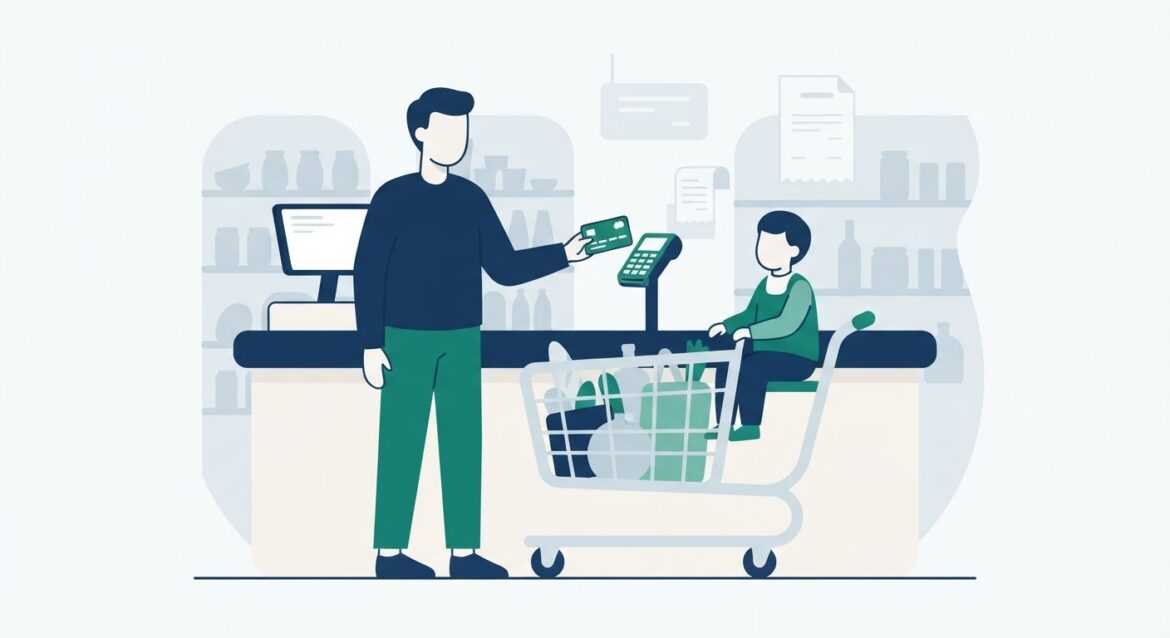
During the school year, many kids get free or reduced-price breakfast and lunch at school. When summer break arrives, that daily support disappears for a few months, right at a time when many family budgets are already stretched thin. Summer EBT (sometimes called SUN Bucks) was created to fill that specific gap. It’s a benefit that puts money directly onto a card so families can buy groceries for their kids while school is out.
It’s easy to confuse Summer EBT with SNAP (the Supplemental Nutrition Assistance Program), but they’re not the same thing, even though both work through an EBT card and both are used to buy food. SNAP is an ongoing, year-round benefit for the whole household based on income and household size. Summer EBT is a separate, seasonal benefit tied specifically to school-age children and the loss of school meals during summer months.
A family can receive both. If your household already gets SNAP, Summer EBT is added on top for eligible kids—it doesn’t replace or reduce your regular SNAP amount. And if your household doesn’t get SNAP at all, your child may still qualify for Summer EBT on its own, based on school meal eligibility. The two programs are run by different rules and different timelines, even though the benefit lands on a card in a similar way.
Automatic Enrollment vs. Applying: How States Handle It
Not every state offers Summer EBT, and among the states that do participate, the process for getting a card looks different depending on where you live. This is one of the more confusing parts of the program, so it helps to know the general pattern.
In many cases, if your child already receives free or reduced-price school meals, or your household already gets SNAP, Temporary Assistance for Needy Families (TANF), or certain other benefits, the state may enroll your child automatically. That means a card could arrive in the mail without you having to fill anything out. This is sometimes called being “directly certified” — the school or state already has the information needed to confirm eligibility, so no separate application is required.
In other cases, especially for families who don’t already receive one of those benefits but whose income still qualifies, a separate application may be necessary. This is more common for households that pay full price for school meals but have a lower-income year, or for families with children in private school, homeschool, or child care settings that aren’t automatically connected to the school district’s data.
Because participation and process vary by state, the most reliable way to know what applies to your situation is to check with your child’s school district or your state’s health and human services or education department website during the spring, before summer break begins. Some states send notices home with report cards or through the same system used for free/reduced lunch applications, so it’s worth watching for mail, email, or messages from the school in the months leading up to summer.
Income and Eligibility Rules, Including Free/Reduced Lunch Links
Summer EBT eligibility is built on the same foundation as the free and reduced-price school meal program. If your child already qualifies for free or reduced-price meals during the school year, they generally qualify for Summer EBT too, since that eligibility has already been established through income documentation or automatic qualification.
Households can typically qualify for free or reduced-price meals, and therefore Summer EBT, in a few main ways:
Through income: if your household income falls at or below the threshold set for free or reduced-price meals, based on household size. These thresholds are updated periodically, so rather than relying on a specific number, it’s best to check the current figures through your school district or state agency when you’re ready to apply.
Through categorical or automatic eligibility: if anyone in your household already receives SNAP, TANF, or certain other assistance programs, your child is usually automatically eligible for free school meals and, in turn, Summer EBT, without needing to separately document income.
Through specific circumstances: children who are in foster care, who meet the definition of homeless, migrant, or runaway, or who are enrolled in Head Start, may also qualify regardless of household income, since these situations carry their own eligibility path under school meal rules.
Age and school enrollment matter too. Summer EBT is generally aimed at children of school age, and eligibility is usually tied to a child being enrolled in or eligible for a participating school during the school year. If you have a younger child not yet in school, or your child ages out or graduates, it’s worth checking with your state agency about how that affects eligibility, since the rules can differ.
If you’re not sure whether your household qualifies, the free/reduced-price lunch application your child’s school sends out each year is usually the fastest way to find out. Filling that out, even if you’re not certain you’ll qualify, is often the trigger that determines Summer EBT eligibility for the following summer.
How Much Families Receive and How the Card Works
Summer EBT provides a set benefit amount per eligible child, loaded onto a card, typically issued once for the summer or split across a couple of loads depending on the state. Because amounts and issuance schedules can change and vary by state, the most accurate current figures will come from your state’s benefit agency notice or website rather than a general estimate.
The card itself works much like a regular SNAP EBT card. It can be used at grocery stores, supermarkets, and other retailers that accept SNAP, to buy eligible food items. It is not a debit card for cash withdrawals, and it can’t be used for non-food items, restaurant meals (except in specific state programs that allow restaurant use for certain populations), alcohol, or tobacco.
One card is usually issued per eligible child, so a household with multiple qualifying children may receive multiple cards, each loaded with that child’s benefit amount. Depending on the state, these cards may combine onto a single card mailed to the household, or arrive separately. Either way, it’s worth keeping track of which card belongs to which child, especially if the household is also managing a separate SNAP card for regular grocery benefits.
Because the card is mailed to the address on file with the school or state agency, keeping your mailing address updated with your child’s school is one of the simplest things you can do to avoid a card getting lost or delayed. If you’ve moved during the school year, it’s worth confirming your current address is on record before summer break begins.
Steps to Take if Your Child Didn’t Get a Card Automatically
If summer has started and no card has arrived, don’t assume your child isn’t eligible. There are a few common reasons cards go missing, and most have straightforward next steps.
First, check whether your state participates in Summer EBT at all for the current year. Not every state offers it every summer, and participation has changed from year to year, so this is worth confirming through your state’s health and human services or education department website.
Second, if your state does participate, contact your child’s school or school district office. They can often tell you whether your child was automatically certified for free or reduced-price meals and whether that information was sent to the state agency handling Summer EBT. Sometimes a card is delayed rather than missing, particularly early in the summer when volume is high.
Third, ask whether a separate application is needed. If your household hasn’t filled out a free/reduced-price meal application recently, or your income situation has changed, you may need to submit an application through the school or state agency rather than waiting for automatic enrollment.
Fourth, if a card was issued but lost, stolen, or never arrived in the mail, most states have a process to request a replacement card, similar to replacing a SNAP EBT card. This usually involves contacting the state’s EBT customer service line or benefits agency directly.
Finally, keep an eye on deadlines. Some states set a window during which replacement cards or late applications can be processed, so it’s better to follow up sooner rather than later once you notice a card hasn’t arrived.
Summer EBT is meant to be a fairly simple, direct way to keep grocery money flowing for kids when school meals pause. The biggest hurdle for many families is simply knowing the program exists and understanding whether their state requires an application. A quick check with your child’s school or state benefits office in late spring is often all it takes to make sure that card shows up when you need it.